Third conditional en ingles: situaciones imposibles del pasado
Guia completa del third conditional en ingles: estructura, cuando usarlo, diferencia con first y second conditional, y ejercicios.
El third conditional: cuando ya no se puede cambiar nada
"If I had prepared more, I would have gotten that job."
Esta frase tiene un peso particular: habla de algo que ya paso, que no se puede cambiar, y que probablemente genera algo de arrepentimiento o reflexion. El third conditional en ingles es exactamente ese tiempo: el de las hipotesis sobre el pasado, lo que hubiera pasado si las cosas hubieran sido distintas.
Es uno de los niveles mas avanzados de la gramatica inglesa, pero con la estructura clara y suficiente practica, lo podes incorporar de forma natural.
Estructura del third conditional
If + past perfect, would have + participio pasado
| Parte | Estructura | Ejemplo |
|---|---|---|
| Condicion (if clause) | if + had + participio | If I had applied earlier... |
| Resultado | would have + participio | ...I would have gotten the position. |
La clausula con if puede ir al principio o al final. Si va al principio, lleva coma:
If she had read the instructions, she would have avoided the mistake. She would have avoided the mistake if she had read the instructions.
Forma negativa
Podes negar cualquiera de las dos partes o ambas:
If I hadn't made that mistake, I would have gotten the promotion. If we had acted faster, we wouldn't have lost the client. If she hadn't asked for help, she wouldn't have learned.
Forma interrogativa
Would you have applied if you had known about the position? Would the project have succeeded if we had had more time?
Contracciones y formas reducidas
En el habla informal, el third conditional se contrae bastante:
- would have → would've: I would've done it differently.
- had en la clausula if → 'd: If I'd known, I'd've told you.
- would have not → wouldn't have: We wouldn't have missed it.
Cuando usar el third conditional
El third conditional se usa en situaciones especificas:
1. Hablar de arrepentimientos o errores del pasado
If I had studied more, I would have passed the exam. If we had hired more staff, we wouldn't have missed the deadline.
2. Imaginar resultados alternativos de situaciones pasadas
If the deal had gone through, we would have expanded to three new markets. If she had taken that job offer, she would have moved to another city.
3. Criticas diplomaticas sobre acciones pasadas
En el trabajo, el third conditional permite hablar de errores sin ser directo:
If the team had communicated better, we would have caught the problem earlier.
Esto es mas diplomatico que: "The team didn't communicate well and that caused the problem."
Los tres condicionales: tabla comparativa
Es fundamental entender como se diferencia del primero y segundo condicional.
| Condicional | Estructura | Cuando | Ejemplo |
|---|---|---|---|
| First | if + presente simple, will + infinitivo | Situacion real y posible en el futuro | If I prepare well, I will get the job. |
| Second | if + pasado simple, would + infinitivo | Situacion hipotetica en el presente/futuro | If I prepared more, I would get the job. |
| Third | if + past perfect, would have + participio | Situacion hipotetica en el pasado (no cambiaable) | If I had prepared more, I would have gotten the job. |
Para aprender el first conditional, lee la guia sobre first conditional en ingles. Para el segundo condicional, lee sobre second conditional en ingles.
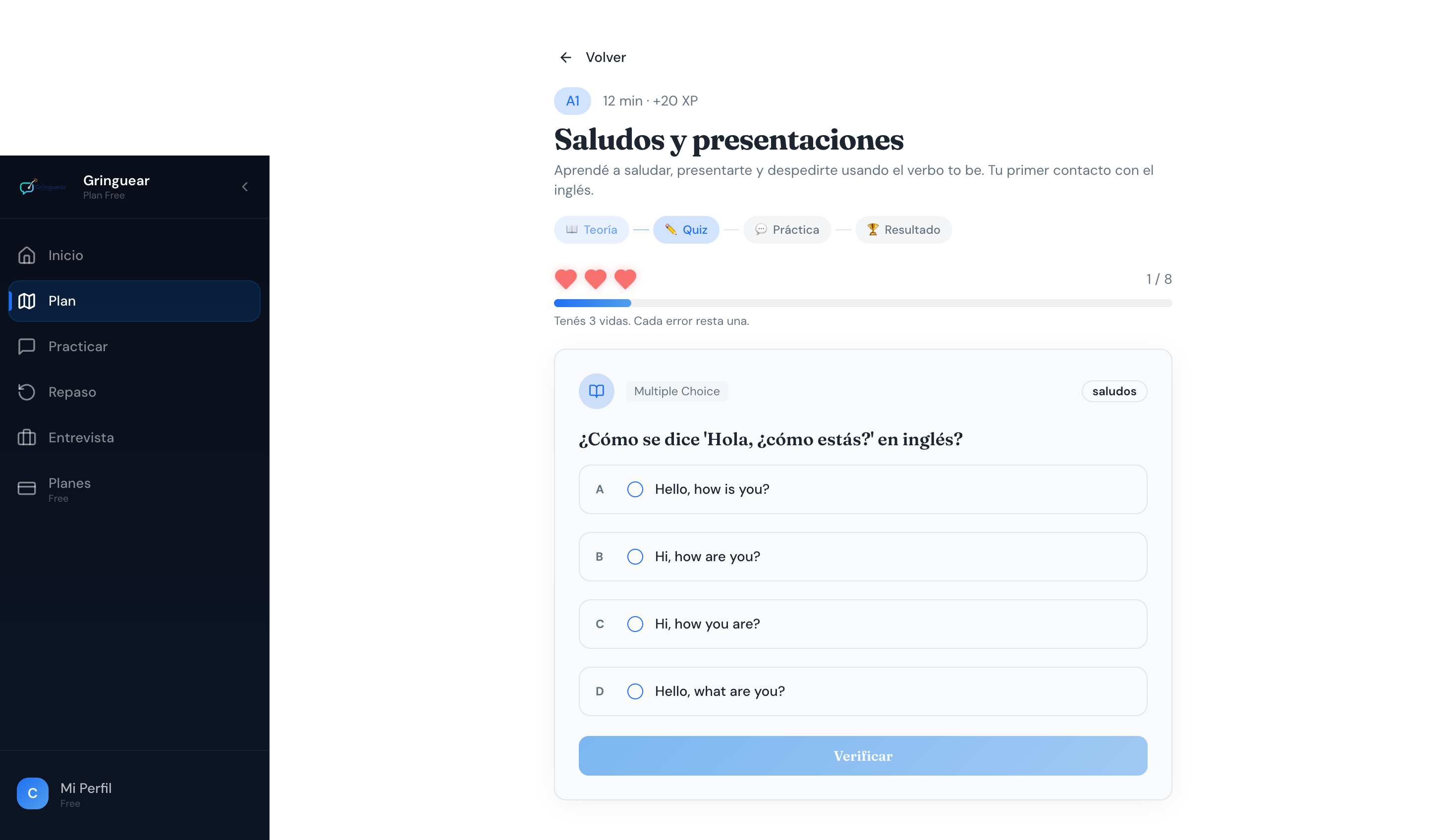
Practica gramatica en contexto
Ejercicios interactivos que te muestran la gramatica en situaciones reales de trabajo, no en frases artificiales.
Ver las leccionesMixed conditionals: una introduccion
Los "mixed conditionals" mezclan tiempos de los diferentes condicionales. Son mas avanzados pero vale saber que existen.
Pasado -> presente: condicion en el pasado con resultado en el presente. If I had chosen a different career, I would be in a completely different field now. (Estructura: if + past perfect, would + infinitivo)
Presente -> pasado: condicion en el presente con resultado que afecta el pasado. If I were more organized, I would have submitted the report on time. (Estructura: if + pasado simple, would have + participio)
Estos los vas a encontrar en niveles B2 y C1.
Errores comunes de hispanohablantes
Error 1: Usar "would have" en la clausula if
Este es el error mas comun. La clausula if usa past perfect, nunca would have.
Incorrecto: If I would have known, I would have helped. Correcto: If I had known, I would have helped.
Error 2: Confundir con el second conditional
If I had more time, I would do it. = second conditional (hipotesis presente/futura, todavia posible) If I had had more time, I would have done it. = third conditional (hipotesis pasada, ya imposible)
La diferencia entre had (pasado simple en second) y had had (past perfect en third) es crucial.
Error 3: Confundir "would have" con "had"
Incorrecto: If I had known, I had told you. Correcto: If I had known, I would have told you.
La parte del resultado siempre usa would have + participio, no otro tiempo verbal.
Error 4: Olvidar el participio pasado
Incorrecto: I would have went there. Correcto: I would have gone there.
Ejercicios practicos
Completa con la forma correcta del third conditional:
- If she _______ (read) the contract carefully, she _______ (notice) the clause.
- We _______ (win) the pitch if we _______ (prepare) a better presentation.
- If I _______ (not / accept) that job offer, I _______ (meet) my current team.
- _______ you _______ (apply) if you _______ (know) about the position?
- The project _______ (be) a success if the client _______ (give) us clearer instructions.
Respuestas:
- had read / would have noticed
- would have won / had prepared
- hadn't accepted / wouldn't have met
- Would... have applied / had known
- would have been / had given
En el contexto laboral
El third conditional aparece en contextos donde se analiza el pasado, se reflexiona sobre decisiones y se discuten escenarios alternativos.
En entrevistas laborales:
"If I had stayed in my previous role, I wouldn't have developed the leadership skills I have now." "If the company had invested in better tools, we would have delivered faster."
En retrospectivas y post-mortems:
"If we had detected the issue earlier, we would have avoided the delay." "If the requirements had been clearer, we wouldn't have had to redo the work."
En negociaciones y analisis:
"If we had entered the market a year earlier, we would have captured a larger share." "The partnership would have been more successful if we had aligned on goals from the start."
Practica con Gringuear
El third conditional aparece en las lecciones de nivel B2 de Gringuear. Lo practicas en contextos laborales reales: entrevistas, retrospectivas, negociaciones.
Hace el diagnostico gratuito para ver si ya estas en el nivel donde este tiempo verbal se trabaja. Y si queres practicarlo en conversaciones, usa el chat de practica con IA.
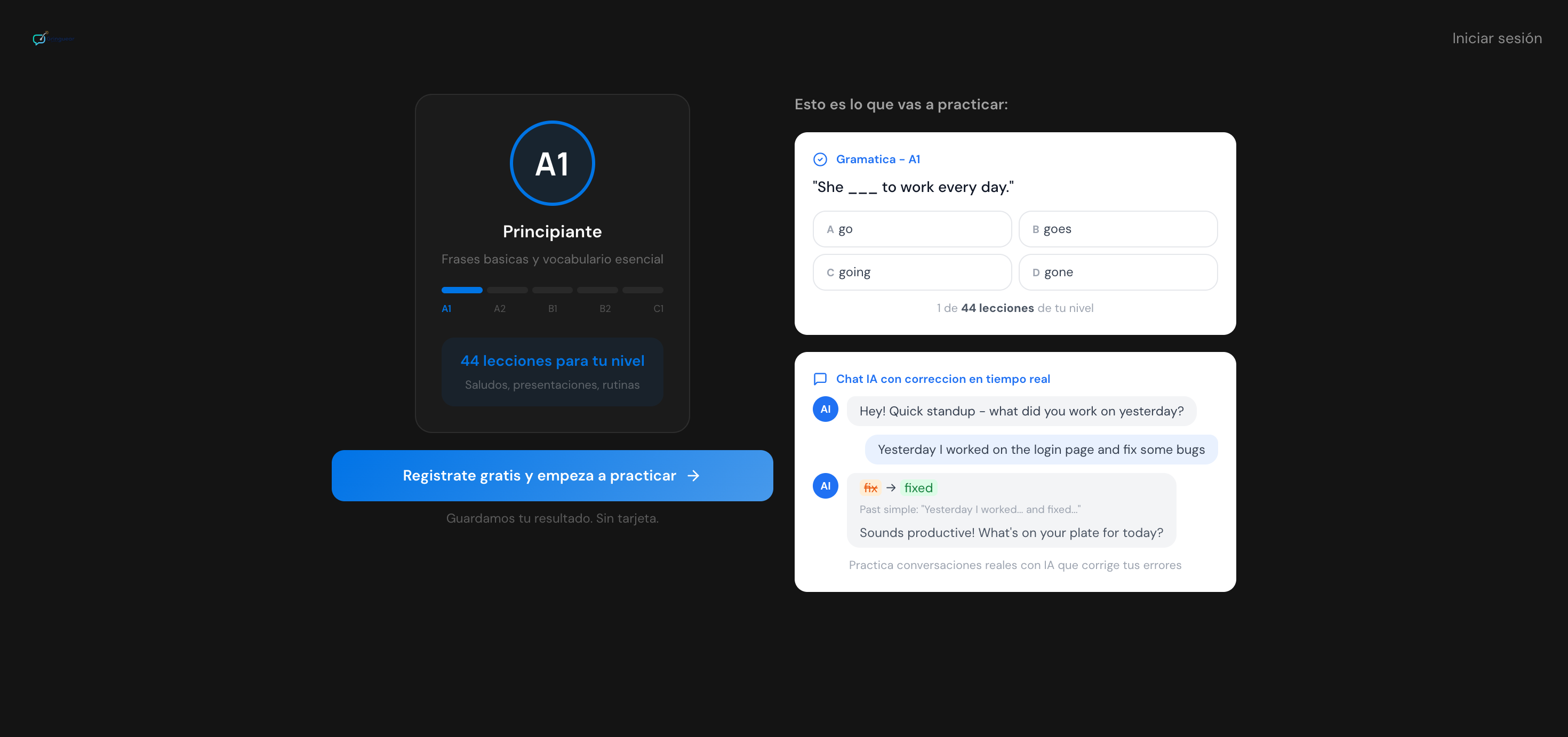
Descubrí tu nivel de inglés en 30 segundos
Diagnostico gratuito con resultado CEFR inmediato. Despues, practica con lecciones y chat con IA adaptados a tu nivel.
Hacer el diagnostico gratisPast perfect continuous en ingles: uso y ejercicios
9 min de lectura