Verbos modales en ingles: can, could, should, must y mas
Aprende a usar los verbos modales en ingles con ejemplos practicos, diferencias entre cada uno y ejercicios para el contexto laboral.
Verbos modales en ingles: el secreto del matiz
"You must send this today." vs "You should send this today." vs "You could send this today." Tres oraciones, tres mensajes completamente distintos. Los verbos modales en ingles son los que te permiten expresar obligacion, posibilidad, permiso, habilidad y consejo con precision.
Son breves, pero poderosos. Y son esenciales para sonar profesional en ingles.
Caracteristicas de los verbos modales
Los verbos modales tienen reglas especiales:
- No se conjugan: misma forma para todas las personas. He can, she should, they must (sin -s en tercera persona)
- Siempre van seguidos de infinitivo sin "to": You should go. (no "to go")
- No necesitan auxiliar para negaciones o preguntas: Can you help?, I can't come.
- No tienen forma en -ing ni participio pasado en su uso principal.
Los verbos modales principales
CAN - habilidad y permiso
Habilidad presente: I can speak English and Spanish. She can manage complex projects.
Permiso informal: Can I leave early today? You can use my laptop.
Posibilidad: This can be tricky. Prices can vary significantly.
COULD - pasado de can, posibilidad y peticiones
Habilidad pasada: When I was a student, I could study for hours.
Posibilidad (mas dudosa que "can"): This could be a great opportunity. We could lose the client if we delay.
Peticiones formales: Could you send me the report? Could we reschedule the meeting?
SHOULD - recomendacion y obligacion moderada
Consejo y recomendacion: You should apply for that position. We should review the contract before signing.
Obligacion moderada (expectativa): The report should be ready by Friday. Emails should be answered within 24 hours.
Critica de algo que no se hizo (should have + participio): You should have told me earlier. We should have tested more thoroughly.
MUST - obligacion fuerte y deduccion
Obligacion fuerte: You must submit the form by today. All employees must complete the training.
Deduccion logica: She's been working 12 hours. She must be exhausted. He didn't answer. He must be in a meeting.
Prohibicion (must not / mustn't): You must not share confidential data. Employees must not use personal devices for work.
HAVE TO - obligacion externa
Have to expresa obligacion que viene de afuera (reglas, circunstancias), a diferencia de must que suena mas personal/interna:
I have to attend the compliance training. (es obligatorio por la empresa) You have to submit your expenses by the 15th. (es la regla)
En negativo hay diferencia importante:
- Don't have to = no es necesario (no hay obligacion)
- Must not = esta prohibido
You don't have to come to the optional meeting. (no es obligatorio) You must not share this information. (esta prohibido)
MAY / MIGHT - posibilidad
May: posibilidad del 50% o mas. Tambien permiso formal. I may join the meeting remotely. (posible) May I ask a question? (permiso formal)
Might: posibilidad menor, mas dudosa. We might delay the launch. (es posible, pero no seguro) She might not come to the event.
WOULD - futuro hipotetico y cortesia
Condicional (second conditional): I would accept the offer if the salary were higher.
Pedidos formales y corteses: Would you mind reviewing this document? I would appreciate your feedback.
Preferencias: I would prefer to meet in person. Would you like to reschedule?
Tabla resumen de verbos modales
| Modal | Uso principal | Ejemplo |
|---|---|---|
| can | habilidad, permiso informal | I can handle it. |
| could | posibilidad, peticion formal | Could you review this? |
| should | consejo, expectativa | You should apply. |
| must | obligacion fuerte, deduccion | You must sign by today. |
| have to | obligacion externa | I have to attend. |
| may | posibilidad, permiso formal | May I ask? |
| might | posibilidad menor | It might rain. |
| would | condicional, cortesia | I would prefer... |
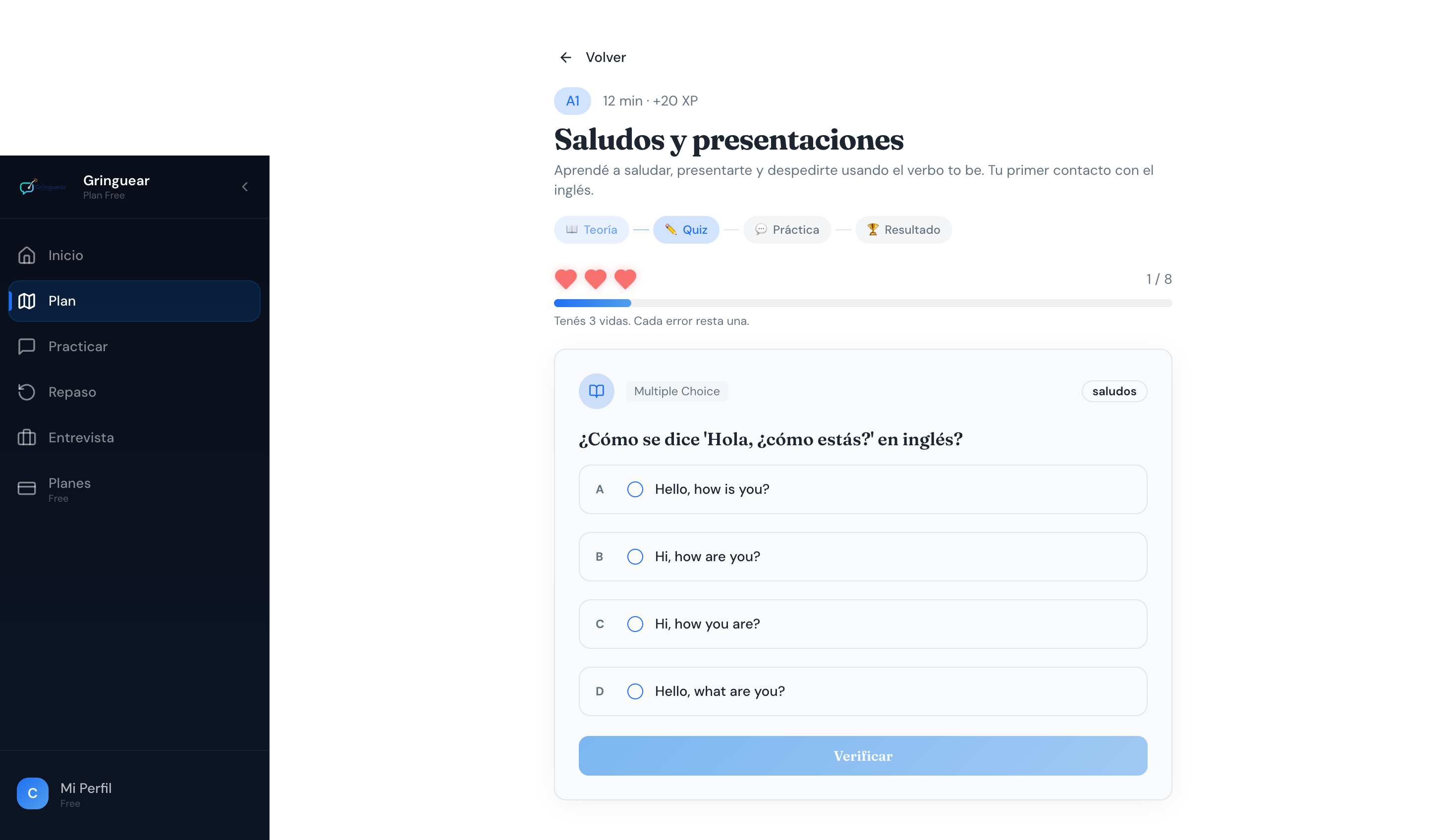
Practica gramatica en contexto
Ejercicios interactivos que te muestran la gramatica en situaciones reales de trabajo, no en frases artificiales.
Ver las leccionesErrores comunes de hispanohablantes
Error 1: Usar "to" despues de modal
Incorrecto: She can to speak English. Correcto: She can speak English.
Error 2: Conjugar el modal en tercera persona
Incorrecto: He shoulds arrive by 10. Correcto: He should arrive by 10.
Error 3: Confundir "must not" y "don't have to"
You must not call after 10 PM. (prohibicion) You don't have to call - you can email. (no es necesario, no es prohibicion)
Error 4: "I am agree"
Agree es un verbo normal, no necesita modal ni "to be": Incorrecto: I am agree. Correcto: I agree. / I would agree with that.
Ejercicios practicos
Completa con el modal mas apropiado:
- You _______ send the report today - it's mandatory.
- _______ you explain this again, please?
- She's very talented. She _______ be earning more.
- You _______ attend the optional workshop if you're busy.
- I _______ join the call later - I have another meeting.
Respuestas:
- must / have to (obligacion)
- Could (peticion formal y cortesa)
- should (deduccion/recomendacion)
- don't have to (no es obligatorio)
- might / may (posibilidad)
En el contexto laboral
Los verbos modales son fundamentales para sonar profesional y matizado en ingles.
En emails:
"Could you please send me the updated version? I would appreciate it by end of day." "You might want to review the budget section before the meeting." "All team members must complete the survey by Friday."
En reuniones:
"We should consider the risks before proceeding." "Could we postpone this to next week? I may not be available on Thursday." "This might not be the best approach."
En entrevistas:
"I can manage complex projects with multiple stakeholders." "I would bring three years of experience in agile environments." "I believe we should focus on the customer experience first."
Para dar consejos o hacer recomendaciones:
"You should negotiate the salary." (consejo directo) "You might want to ask about growth opportunities." (sugerencia mas suave) "You could also consider the long-term benefits." (opcion)
Practica los modales en conversacion
Saber las reglas es la mitad del camino. El otro 50% es usarlos con fluidez en conversaciones reales. En Gringuear Practice podes practicar con IA en situaciones laborales donde necesitas usar modales con precision.
¿No sabes tu nivel actual? Hace el diagnostico gratuito y descubri en que punto estas para avanzar de forma inteligente.
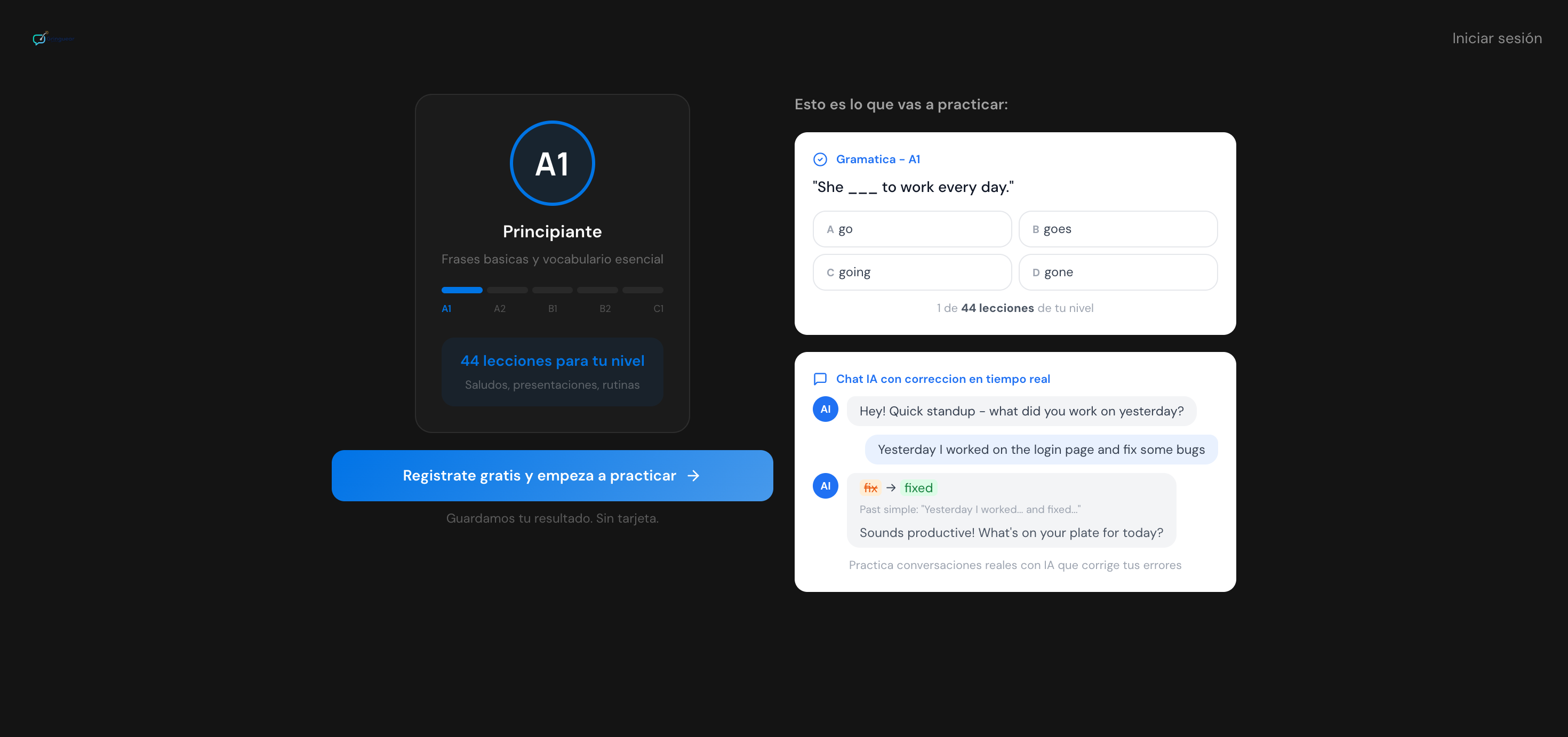
Descubrí tu nivel de inglés en 30 segundos
Diagnostico gratuito con resultado CEFR inmediato. Despues, practica con lecciones y chat con IA adaptados a tu nivel.
Hacer el diagnostico gratis