Relative clauses en ingles: que son y como usarlas
Guia practica de relative clauses en ingles: defining y non-defining, con who, which, that, where. Ejemplos y ejercicios.
Relative clauses: como conectar ideas en ingles
"The colleague who helped me most is now a director." "The project that we launched last year won an award." Las relative clauses son la herramienta que te permite dar informacion adicional sobre algo sin usar oraciones cortas y repetitivas.
Son esenciales para sonar natural y sofisticado en ingles escrito y oral. Esta guia te explica como usarlas correctamente.
Que son las relative clauses
Una relative clause (clausula relativa) es una oracion subordinada que da informacion adicional sobre un sustantivo. Se introduce con un pronombre relativo: who, which, that, where, when, whose.
Sin relative clause: I met a woman. She changed my career. Con relative clause: I met a woman who changed my career.
Pronombres relativos: cual usar
| Pronombre | Refiere a | Ejemplo |
|---|---|---|
| who | personas | The manager who hired me retired. |
| which | cosas/animales | The app which we built won an award. |
| that | personas o cosas | The project that I managed was successful. |
| where | lugares | The office where I worked was downtown. |
| when | tiempo | I remember the day when we launched. |
| whose | posesion | The developer whose code I reviewed is excellent. |
Defining vs non-defining relative clauses
Esta es la distincion mas importante y la que mas errores genera.
Defining relative clauses (sin comas)
Dan informacion esencial para identificar el sustantivo. Sin esta informacion, la oracion pierde su significado o cambia.
The employee who speaks Japanese got the Tokyo assignment. (Sin "who speaks Japanese" no sabemos de que empleado se habla.)
The report that I sent yesterday has all the details. (Sin la clausula, no queda claro de que reporte se habla.)
Caracteristicas:
- Sin comas
- Se puede usar that en lugar de who o which
- Se puede omitir el pronombre si es objeto (no sujeto)
Non-defining relative clauses (con comas)
Dan informacion adicional pero no esencial. Si se elimina la clausula, la oracion principal sigue teniendo sentido.
My manager, who joined last year, is very supportive. (Ya sabemos quien es "my manager", la clausula es informacion extra.)
The product, which launched in Q3, exceeded all targets.
Caracteristicas:
- Siempre entre comas (o coma + punto)
- No se puede usar that en estas clausulas
- No se puede omitir el pronombre relativo
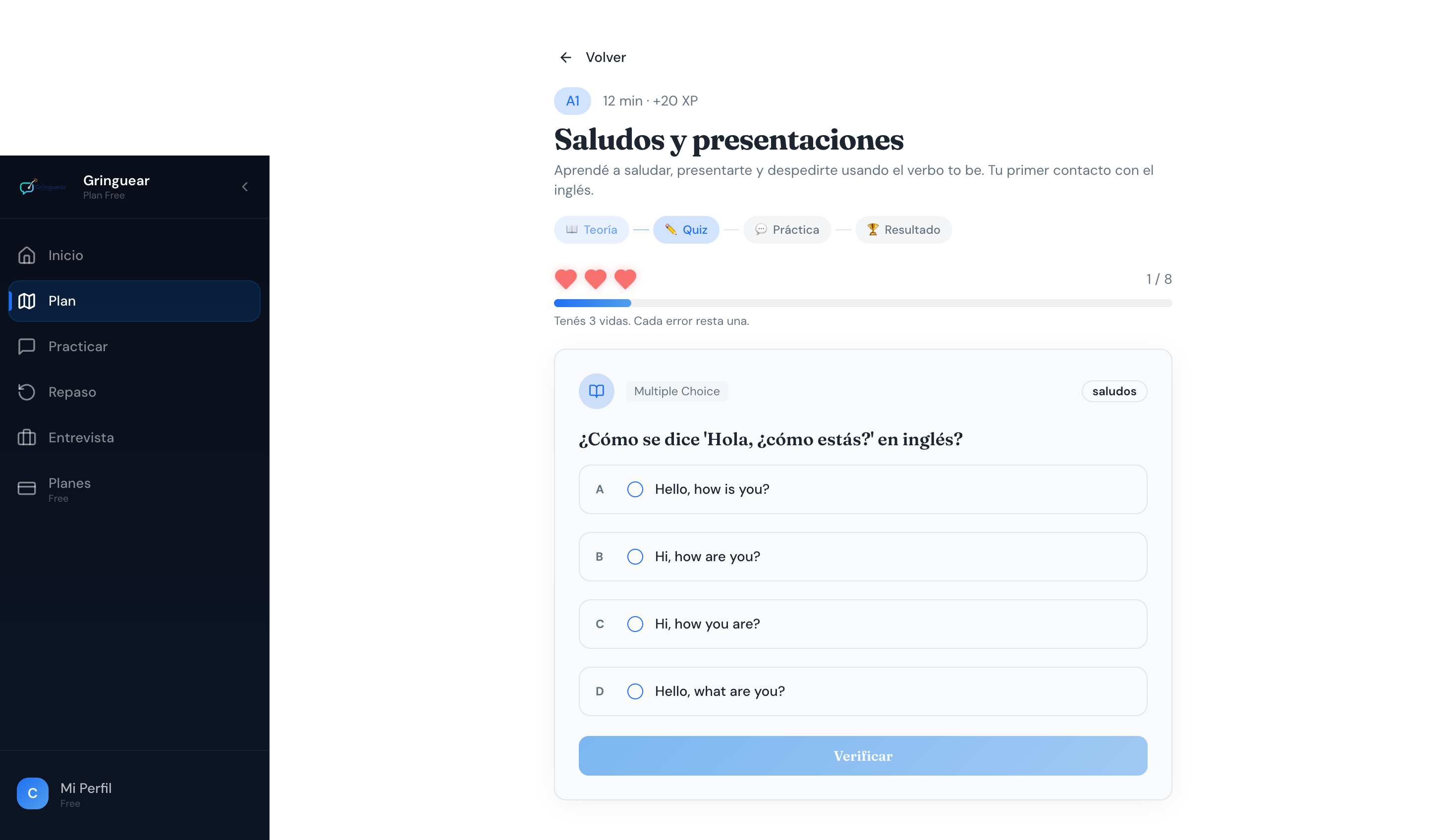
Practica gramatica en contexto
Ejercicios interactivos que te muestran la gramatica en situaciones reales de trabajo, no en frases artificiales.
Ver las leccionesCuando se puede omitir el pronombre relativo
En defining relative clauses, podes omitir el pronombre si es el objeto de la clausula (no el sujeto):
The project (that) I managed was a success. - omitir "that" es correcto, yo soy el sujeto de "managed"
The manager who hired me retired. - no se puede omitir "who", es el sujeto de "hired"
Errores comunes de hispanohablantes
Error 1: Usar "which" para personas
Incorrecto: The colleague which helped me most... Correcto: The colleague who helped me most...
Error 2: Olvidar las comas en non-defining
Incorrecto: My boss who studied at Oxford is very demanding. Correcto: My boss, who studied at Oxford, is very demanding.
Error 3: Usar "that" en non-defining clauses
Incorrecto: Our new product, that launched in April, is doing well. Correcto: Our new product, which launched in April, is doing well.
Error 4: Repetir el pronombre
Incorrecto: The client who I met him yesterday called me. Correcto: The client who I met yesterday called me.
En espanol se puede decir "el cliente que lo conociste ayer", pero en ingles no se repite el pronombre.
Ejercicios practicos
Completa con el pronombre relativo correcto o agrega comas donde corresponda:
- The company _______ I work for has offices in five countries.
- The engineer _______ project won the award is presenting today.
- We visited the office _______ the product was designed.
- My colleague Ana _______ joined last month is already leading a team.
- The strategy _______ we adopted last year reduced costs by 20%.
Respuestas:
- that/which (defining, sin comas)
- whose (posesion)
- where
- who (non-defining: "My colleague Ana, who joined last month, is already leading a team.")
- that/which (defining)
En el contexto laboral
Las relative clauses hacen que tu ingles profesional suene mucho mas fluido y sofisticado.
En tu CV y LinkedIn:
"Led a team of engineers who delivered three products in one year." "Developed a system that reduced processing time by 40%." "Worked with clients whose needs required customized solutions."
En emails:
"Please find attached the report that I mentioned in our last meeting." "I would like to introduce you to Maria, who will be your main point of contact."
En presentaciones:
"The market segment that we are targeting represents 30% of total opportunity." "Our product, which has been in development for 18 months, solves a real pain point."
En entrevistas:
"The project that I'm most proud of involved leading a cross-functional team." "I worked with a mentor who taught me a lot about stakeholder management." "The company where I started my career gave me an excellent foundation."
Mejora tu nivel de escritura
Las relative clauses son tipicas del nivel B1-B2. Dominarlas te permite escribir emails y documentos profesionales que suenan naturales y sofisticados.
Practica en Gringuear con situaciones reales de escritura y comunicacion laboral, o hace el diagnostico gratuito para ver en que nivel estas.
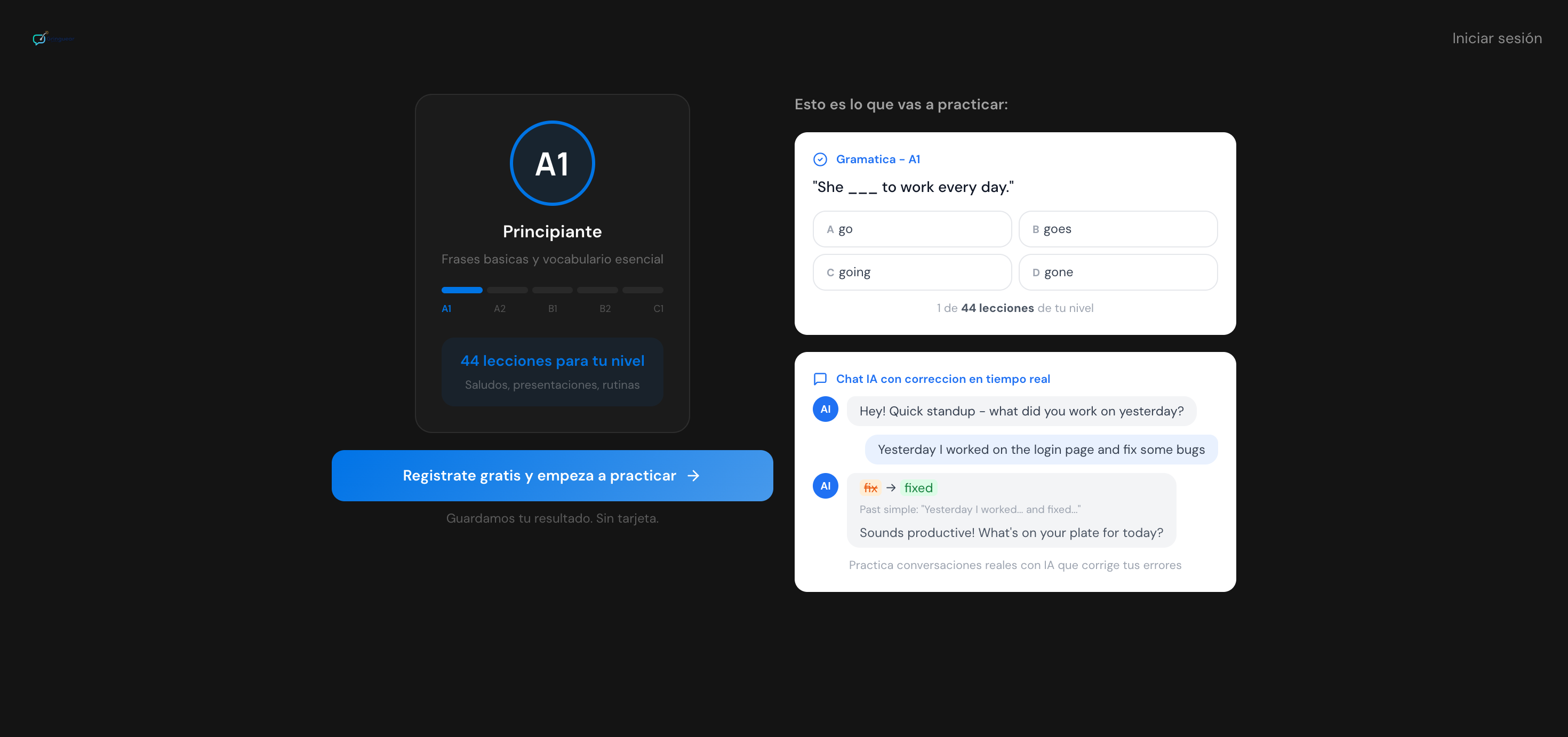
Descubrí tu nivel de inglés en 30 segundos
Diagnostico gratuito con resultado CEFR inmediato. Despues, practica con lecciones y chat con IA adaptados a tu nivel.
Hacer el diagnostico gratis